
In 2024, artificial intelligence made several breakthrough discoveries that could change our lives in the near future. From new ways to identify people to decoding ancient texts, AI technologies are reaching into many fields of science.
In this article we look at five major AI breakthroughs that are already reshaping the world and opening new possibilities for humanity.
AI and fingerprints: a discovery that could upend forensics
For a long time it was believed that fingerprints from different fingers of the same person are unique and unrelated to each other. This assumption underpinned identity-verification systems built on fingerprints, including in forensics.
But a study conducted in 2024 by a team at Columbia University in New York, led by first-year student Gabriel Guo, challenges that long-standing dogma.
The researchers applied deep neural networks to study fingerprints from the same person and found that even prints from different hands share significant similarities.
They used a "twin" neural network method trained to determine whether two prints belong to the same person or to different people. It turned out that the main similarity between fingerprints of the same person lies in the direction of the ridges, especially near the center of the print. This discovery shows that traditional methods, which focus on fine details, are less effective at catching such similarities.
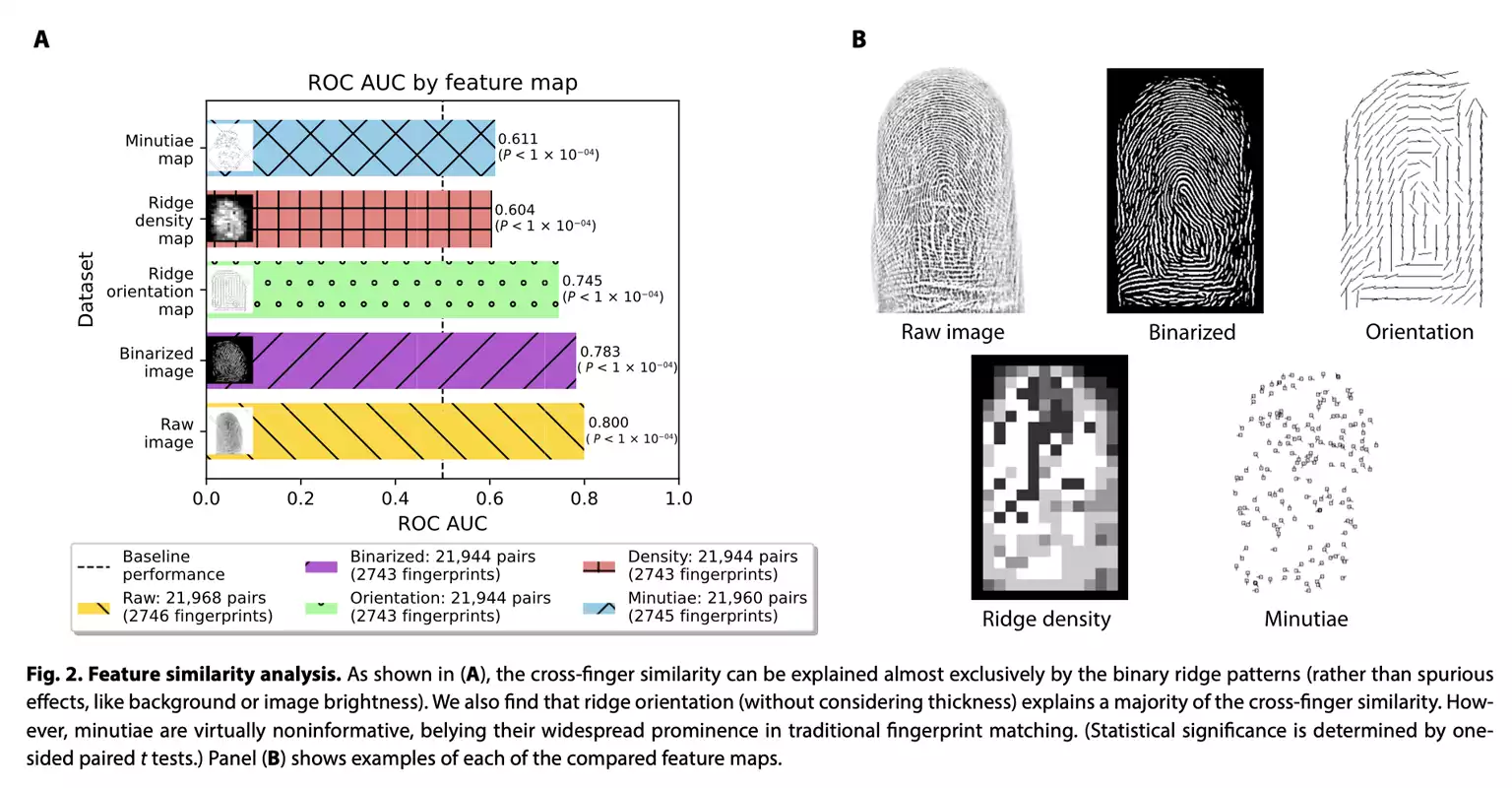
An excerpt from Gabriel Guo's team's research
This discovery could significantly boost the efficiency of forensic investigations. For instance, if prints from one finger of a suspect are found at a crime scene while the database only has prints of their other fingers, the new method could still establish they belong to the same person.
The research may also change the approach to digital authentication. It might soon be enough to register just one finger for device access, while any other finger could unlock it — improving both convenience and the reliability of security systems.
AI versus superbugs
In March 2024, researchers from McMaster University and Stanford University unveiled a groundbreaking AI system called SyntheMol, capable of designing new antibiotics to fight drug-resistant bacteria.
The study, published in Cell Host & Microbe, shows how machine learning can help uncover antimicrobial peptides hidden in the proteins of both living and extinct organisms.
This work is especially important given the growing threat of antibiotic resistance — scientists estimate that by 2050, drug-resistant bacteria could cause up to 10 million deaths a year.
SyntheMol uses generative AI to create and analyze potential antibiotic molecules. The system works like a construction kit, combining 132,000 molecular fragments through 13 chemical reactions, producing tens of billions of unique combinations.
Importantly, the system doesn't just design new molecules — it also provides a "recipe" for synthesizing them, which greatly simplifies the work chemists must do to turn them into actual drugs.
"Antibiotics are unique in that the moment we start using them in the clinic, a countdown begins until they stop working, because bacteria evolve resistance quickly," explains Jonathan Stokes, the study's lead author. "We need a constant stream of new antibiotics, and we have to find them quickly and cheaply. That's exactly where AI plays a decisive role."
This research shows how AI can dramatically speed up and cut the cost of drug development, opening a new era in the fight against infectious disease.
AI uncovers the secrets of animal language
In 2024, AI helped scientists make a series of remarkable discoveries in animal communication that could reshape our understanding of language and consciousness in the animal kingdom.
Researchers at the University of Tübingen taught crows to count out loud for the first time in history, and AI helped decode the nuances of their "pronunciation." Analyzing recordings of crow calls, the AI found that the birds plan the number of sounds in advance: the first "caw" sounds different depending on how many times the crow intends to call overall.
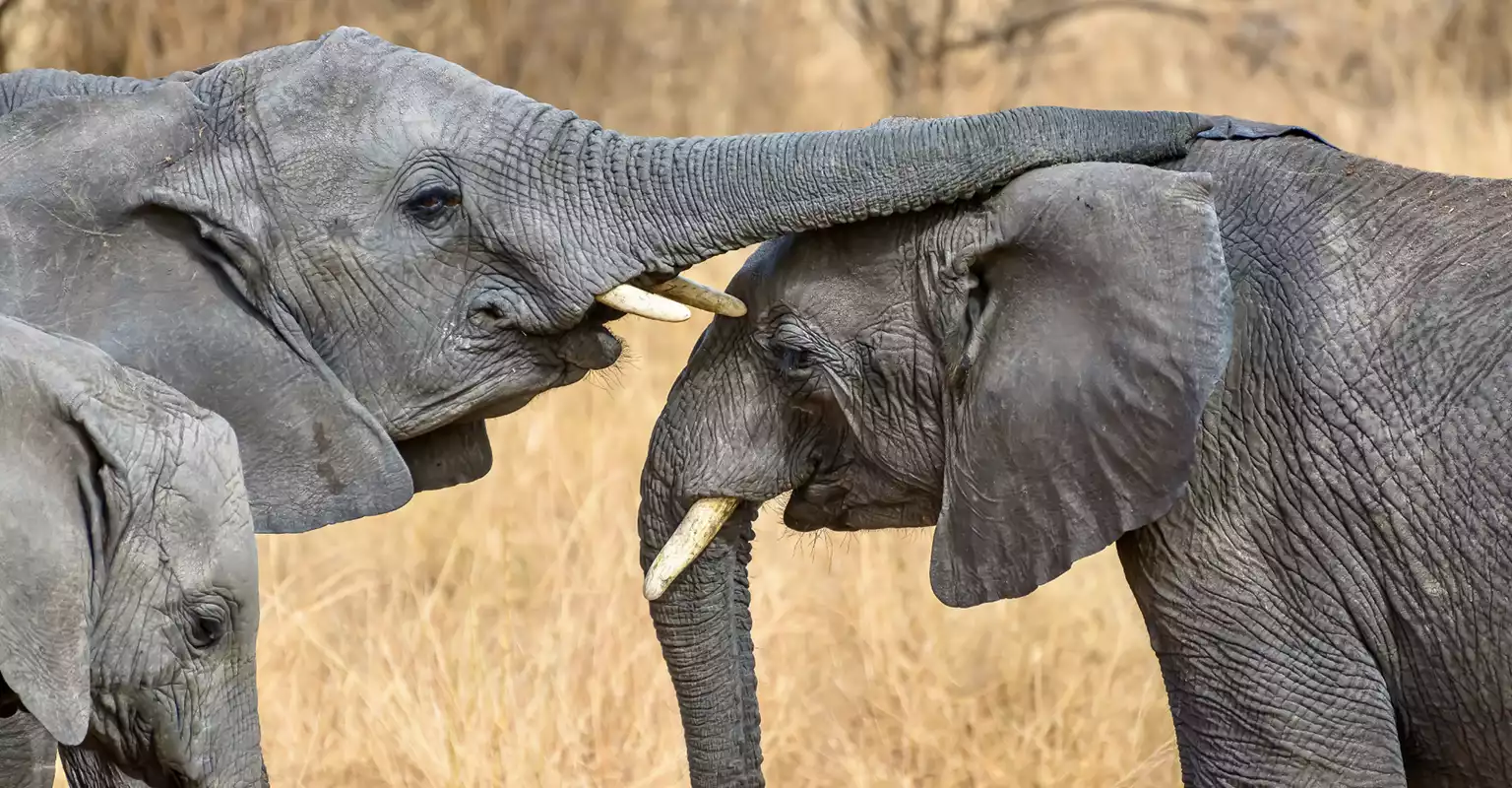
An even more striking discovery came from scientists at the University of Colorado, who applied machine learning to analyze African elephant communication. AI helped reveal that elephants' greeting rumbles contain unique sound patterns — essentially "names." When elephants were played recordings of their own "names," they reacted noticeably faster and more actively than to random sounds.
Another breakthrough of the year was the use of AI to monitor insect populations. Researchers at the University of Massachusetts developed a system that can identify insect species from their buzzing with 90 percent accuracy. This discovery could revolutionize ecological monitoring, allowing researchers to track pollinator populations without having to physically catch them.
These achievements show how AI is helping us not only understand animal language better but also opening new possibilities for preserving biodiversity. Its ability to analyze the finest nuances of sound communication — nuances beyond human hearing — lets us glimpse previously unexplored corners of animal consciousness and behavior.
Ancient scrolls reveal their secrets thanks to AI
In 2024, archaeologists witnessed what they call a true revolution — for the first time, researchers managed to read charred scrolls from the ancient city of Herculaneum, destroyed by the eruption of Vesuvius in 79 AD. This was made possible by modern technology and artificial intelligence.
The story of these scrolls is dramatic. About 1,800 papyri were kept in a luxurious villa believed to have belonged to the father-in-law of Julius Caesar. When Vesuvius erupted, the scorching gases and ash didn't burn the manuscripts completely — instead, they charred them into fragile black cylinders. Any attempt to unroll them destroyed them.
The breakthrough came through the Vesuvius Challenge, a competition in which a team of young programmers used computed tomography and AI to virtually "unroll" the scrolls.
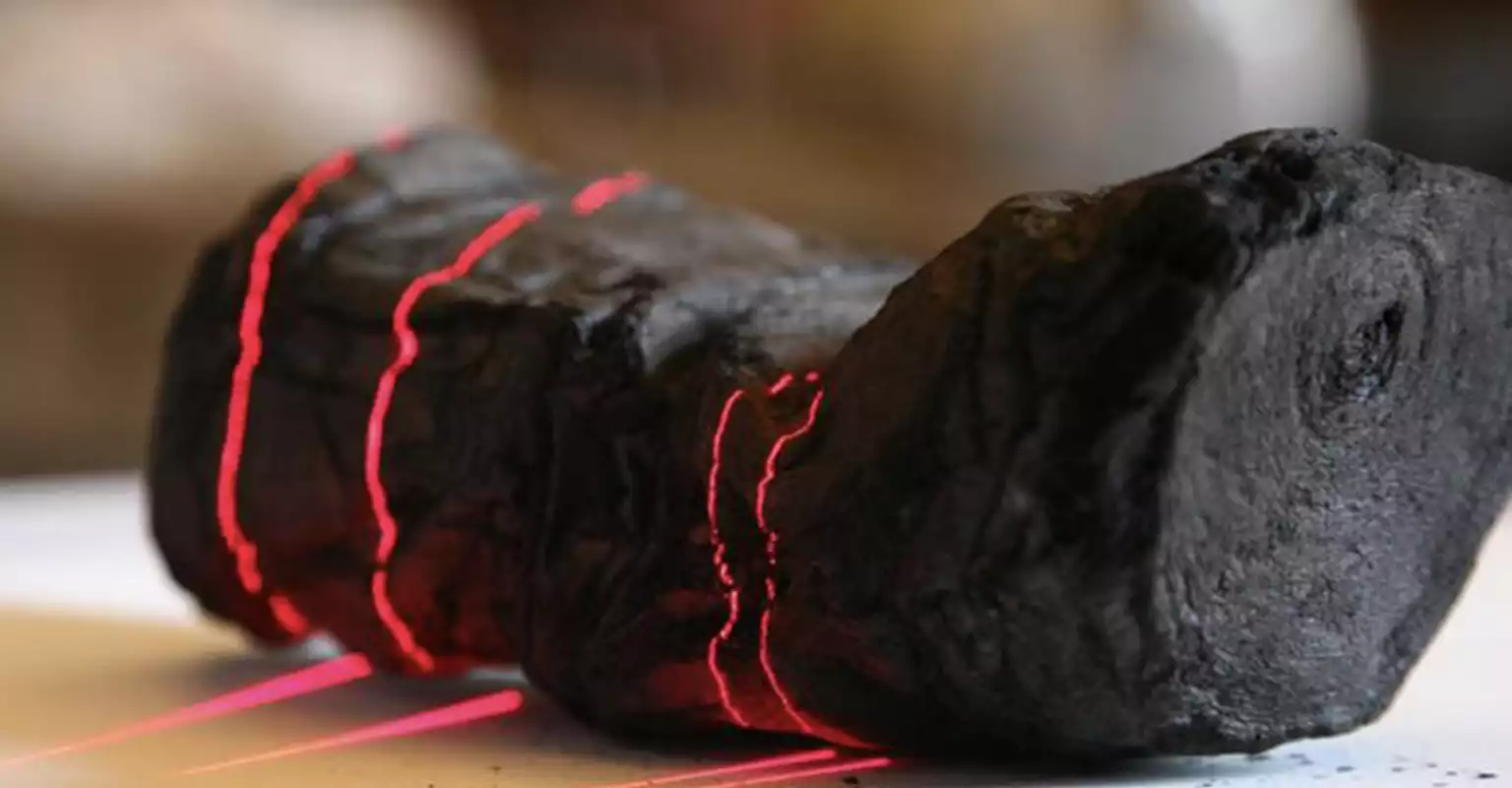
Photo: Univ. of Kentucky Pigman College of Engineering. The Herculaneum manuscripts were charred by intense heat after the eruption of Vesuvius, which preserved them remarkably well but left them too fragile to unroll.
The key discovery was detecting "crack patterns" — traces left by ink on the papyrus. AI learned to spot these barely visible traces and reconstruct the text from them.
So what did these ancient manuscripts contain? It turned out to be philosophical reflections on pleasure and how to live well. The likely author was the Greek philosopher Philodemus, who wrote about music, life's good things, and criticized his opponents for misunderstanding the true nature of joy.
So far about 2,000 characters have been deciphered — just 5% of a single scroll. But the real achievement is that scientists now have a reliable method for reading such documents without physically damaging them. Researchers plan to decipher up to 90% of the text in the near future.
This success opens a new era in archaeology, where AI becomes an indispensable partner in uncovering the secrets of the past. From spotting ancient settlements in satellite imagery to reconstructing lost texts, technology is helping us look deeper into the past than ever before.
For the first time, two Nobel Prizes went to AI-related work in the same year
In 2024, the Nobel Prizes were closely tied to artificial intelligence and its applications in science. The first prize was awarded to physicists John Hopfield and Geoffrey Hinton for laying the foundations of artificial neural networks.
While studying how the human brain works, they noticed that information is processed in layers of neurons. That observation inspired them to build a similar system for computers.
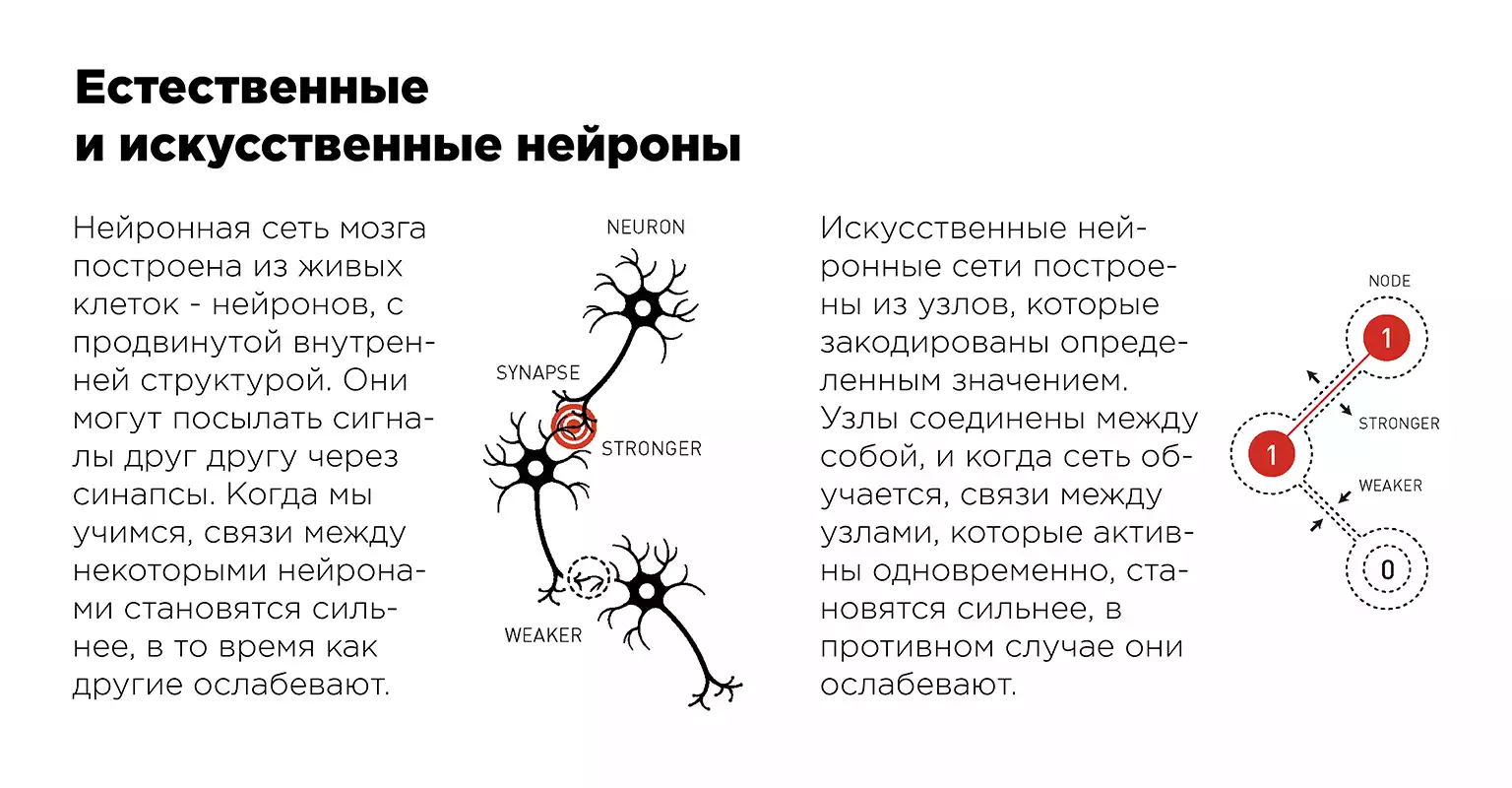
An excerpt from the research by John Hopfield and Geoffrey Hinton
Hinton developed a way to train such networks, while Hopfield created a model showing how they can store and retrieve information. Their discoveries became the foundation for all modern AI systems.
The Chemistry Prize was shared among three scientists for groundbreaking work on studying proteins with AI.
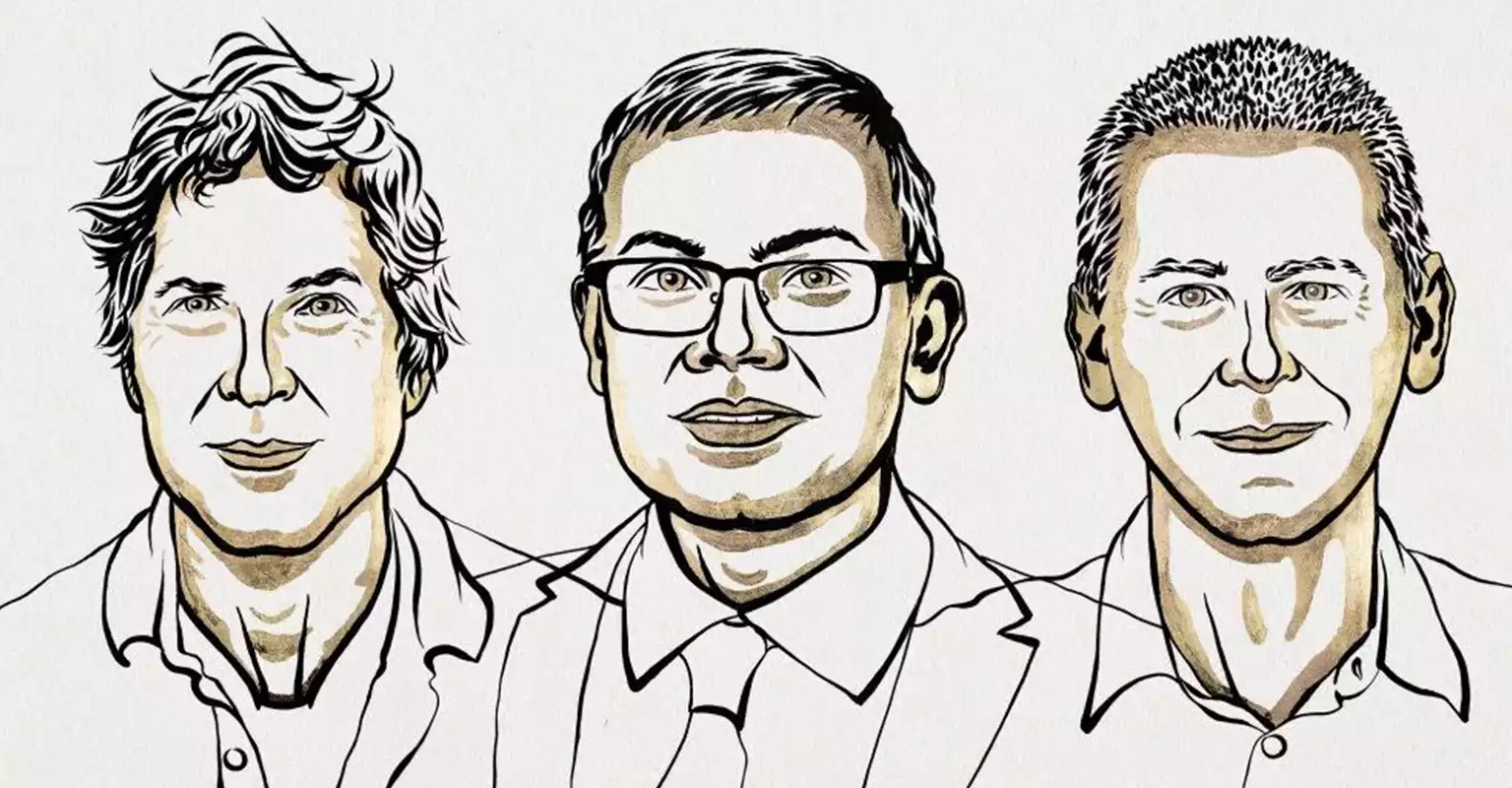
Illustration of David Baker, Demis Hassabis, and John Jumper
This discovery matters enormously because proteins are the main working molecules of all living things. They power every process in the body: some proteins act as tiny motors, others carry signals between cells, others defend against disease, and others build new tissue.
After it's created, every protein folds into a unique three-dimensional shape, like origami. That shape determines exactly what job it performs in the body. Humans have around 25,000 different proteins, and figuring out each one's shape was an enormously difficult task — until AI took it on.
David Baker was the first to learn not just to understand proteins but to design entirely new ones with desired properties. Meanwhile, Demis Hassabis and John Jumper of DeepMind created AlphaFold, a system that can predict the shape of virtually any protein. Their neural network has already calculated the structures of nearly all human proteins and many others, building a massive database for scientists worldwide.
Thanks to these discoveries, scientists can now better understand the causes of disease and develop new drugs. Interestingly, Hinton, one of the architects of modern AI, left Google so he could speak openly about his deep concerns over the coming AI era:
"We have no experience of what it's like to have things smarter than us," he said in an interview with the NYT.
The achievements of 2024 in AI are impressive, but they also raise serious questions. How far can artificial intelligence go in understanding nature and humanity? Are we ready for a world where machines can read ancient texts better than historians, understand animal language more precisely than biologists, and spot patterns that have eluded people for centuries? And most importantly — will we be able to keep control over technologies that grow smarter every day? The answers to these questions may well determine humanity's future in the decades ahead.